



adamite rolls for steel rolling mills
The steel industry is under increasing pressure to enhance energy efficiency while maintaining high production standards. Among the various types of rolling mills, the reversing cold rolling mill plays a crucial role in producing high-precision steel strips with superior surface quality. Unlike continuous rolling mills, a reversible cold rolling mill processes metal sheets in multiple passes by reversing the direction of rolling, allowing for precise thickness control. However, this process is traditionally energy-intensive due to frequent acceleration and deceleration. As sustainability becomes a priority, manufacturers are focusing on improving the energy efficiency of reversing cold mills through advanced technologies, optimized processes, and innovative design modifications. Energy Consumption Challenges in Reversing Rolling Mills A cold reversing mill consumes significant amounts of electricity due to its operational nature. The repeated starting, stopping, and reversing of the rolls require high torque from drive systems, leading to substantial energy losses. Additionally, auxiliary systems such as lubrication, cooling, and tension control further contribute to power consumption. In conventional reversible rolling mills , nearly 30-40% of the total energy input is wasted as heat, mechanical friction, and inefficient motor operations. Addressing these inefficiencies is critical for reducing operational costs and minimizing the environmental impact of steel production. Advanced Drive Systems for Energy Savings in Reversing Rolling Mills One of the most effective ways to enhance energy efficiency in reversing cold rolling mills is through the adoption of advanced drive technologies. Modern mills now utilize regenerative drives that recover and reuse braking energy during deceleration. Instead of dissipating energy as heat, these systems convert kinetic energy back into electrical power, feeding it into the plant’s grid. Variable frequency drives (VFDs) are also widely implemented to optimize motor speed according to load requirements, reducing unnecessary power consumption. Furthermore, permanent magnet synchronous motors (PMSMs) are gaining popularity due to their higher efficiency compared to traditional induction motors. These innovations collectively contribute to a 15-25% reduction in energy usage in reversible cold rolling mills . Process Optimization and Automation of Reversing Rolling Mills Automation plays a pivotal role in minimizing energy waste in reversing cold mills . Advanced process control systems, powered by artificial intelligence and machine learning, optimize rolling parameters in real time. By analyzing data from previous passes, these systems adjust rolling force, speed, and tension to achieve the desired strip thickness with minimal energy expenditure. Predictive maintenance tools also help in reducing unplanned downtimes, ensuring that the mill operates at peak efficiency. Additionally, modern cold reversing mills incorporate dynamic gap control systems that adjust roll gaps precisely, reducing redundant deformation work and lowering power consumption. Lubrication and Cooling System Improvements of Reversing Rolling Mills The lubrication and cooling systems in a reversible rolling mill are essential for maintaining product quality but can be energy-intensive if not optimized. Traditional flood lubrication methods are being replaced with minimum quantity lubrication (MQL) systems, which apply a controlled amount of lubricant directly to the roll-strip interface. This not only reduces friction but also decreases the energy required for pumping and filtering excess coolant. Advanced emulsion cooling systems with precise temperature control further enhance efficiency by minimizing thermal losses. These improvements lead to a more sustainable operation while extending the lifespan of rolling mill components. Material and Design Innovations in Reversing Rolling Mills The structural design of reversing cold rolling mills has evolved to reduce energy losses. Lightweight yet high-strength materials are now used in roll construction to decrease inertia, allowing faster acceleration and deceleration with lower energy input. Additionally, the integration of hybrid roll bearings, which combine hydrodynamic and rolling element bearings, reduces frictional losses significantly. Another emerging trend is the use of nanostructured coatings on rolls, which enhance wear resistance and reduce the need for frequent regrinding, indirectly contributing to energy savings. Future Trends and Sustainable Practices of Reversing Rolling Mills The future of reversible cold rolling mills lies in further integration with renewable energy sources and smart grid technologies. Some steel plants are experimenting with solar or wind-powered rolling mills to offset electricity consumption. Digital twin technology is also being explored to simulate and optimize mill operations before physical implementation, ensuring maximum energy efficiency. As regulatory pressures and energy costs rise, the adoption of these innovations will become increasingly critical for the competitiveness of steel manufacturers. Energy efficiency in reversing cold rolling mills is no longer an optional consideration but a necessity for sustainable steel production. Through advanced drive systems, process automation, optimized lubrication, and innovative mill designs, significant energy savings can be achieved. As technology continues to evolve, the reversible rolling mill of the future will be smarter, more efficient, and aligned with global sustainability goals. Manufacturers investing in these advancements today will not only reduce operational costs but also contribute to a greener industrial landscape.

We have successfully executed over 500
projects around the world,
many first-of-their-kind
research projects and products in China, including
We have successfully executed over 500
projects around the world,
many first-of-their-kind
research projects and products in China, including
-
2004
The 1st hydraulic AGC system for hot rolling of ribbon steel
-
2006
The 1st AFC system used for 1450mm skin pass mill
-
2009
The 1st 5-stand tandem line with 2-stand POR & Uncoiler for 650mm ribbon steel
-
2012
The 1st reversing mill for 1380mm strip
-
2016
The 1st soft-rolling system used in skin pass mill
-
2019
The 1st fully automated medium-width tandem cold rolling mill
-
2021
The 1st 5000KN Twin-stand double skin pass mill
-
2022
The 1st coupled pickling line & tandem cold mill with two modes - big roller & small roller
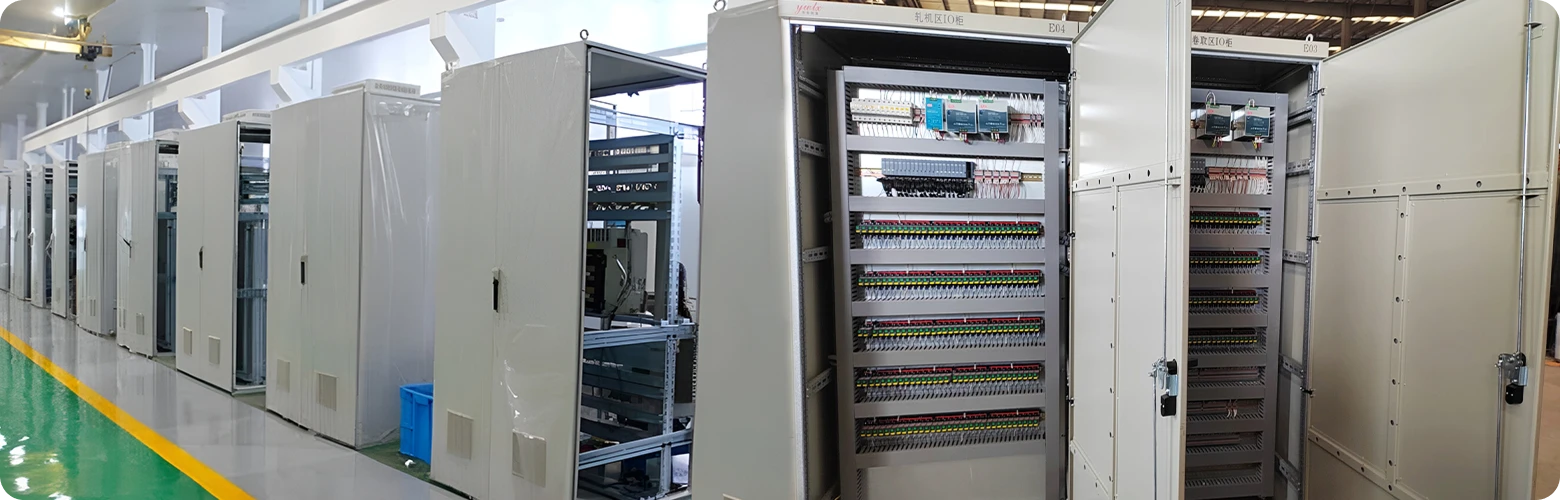
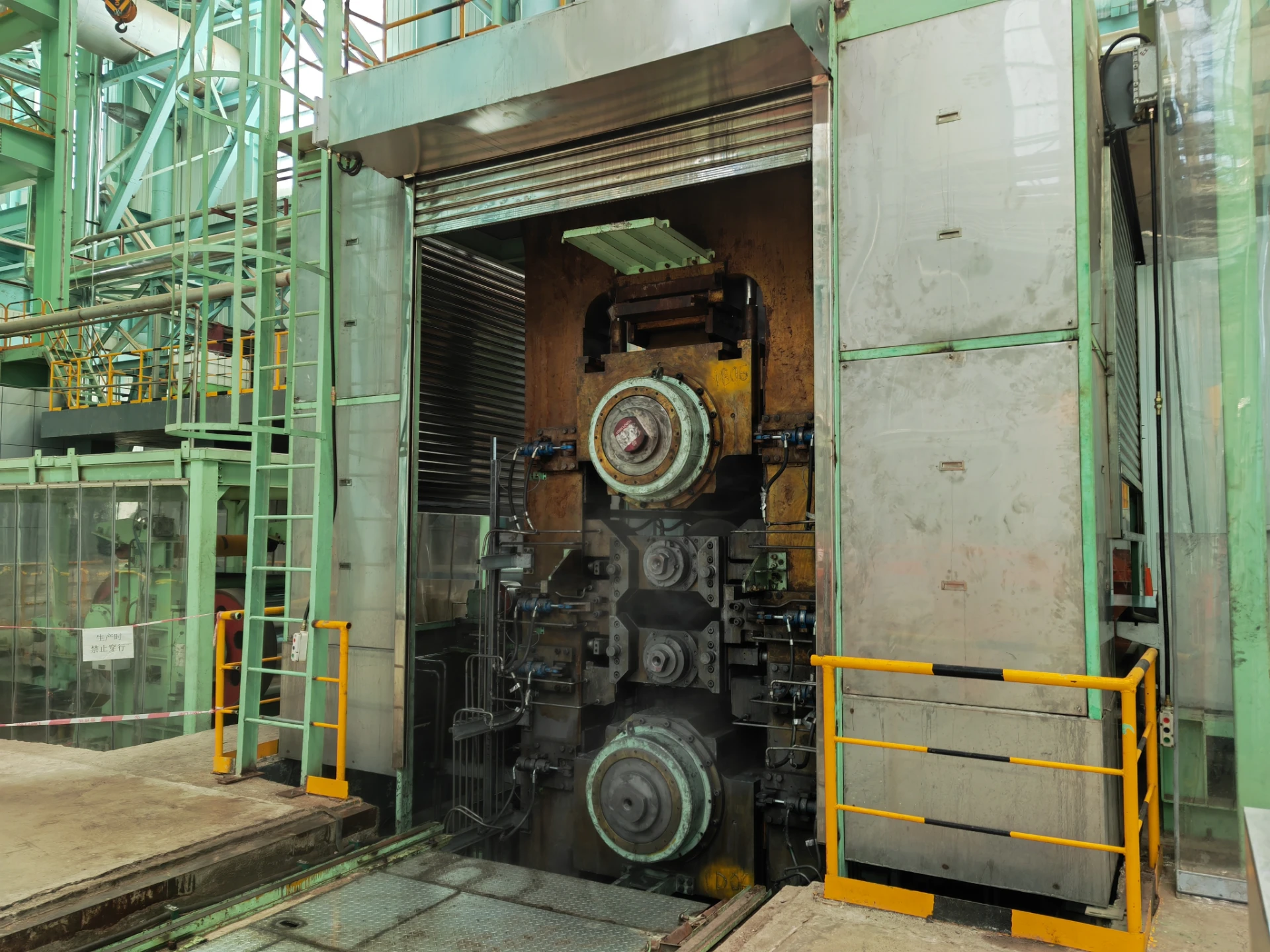
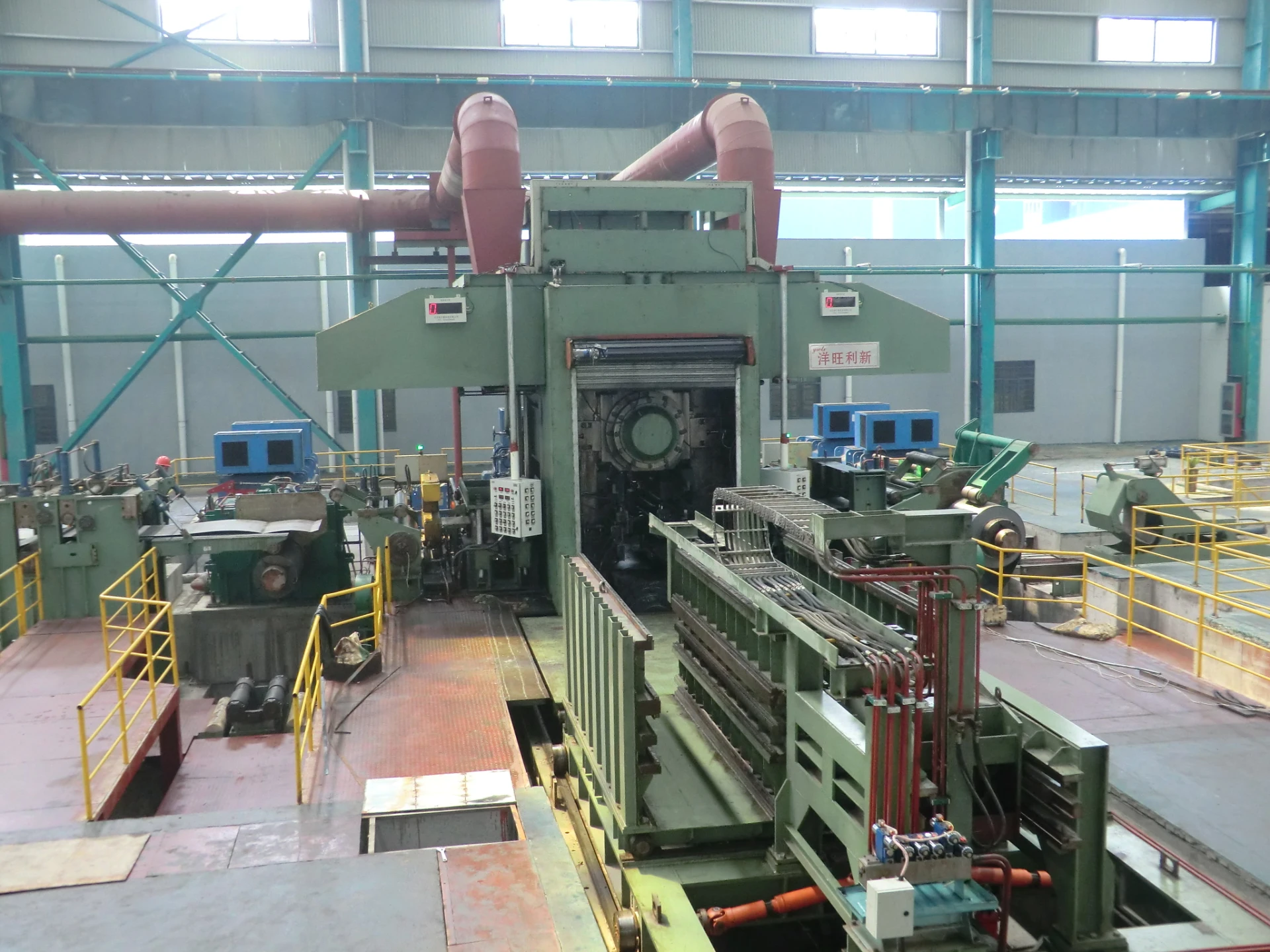
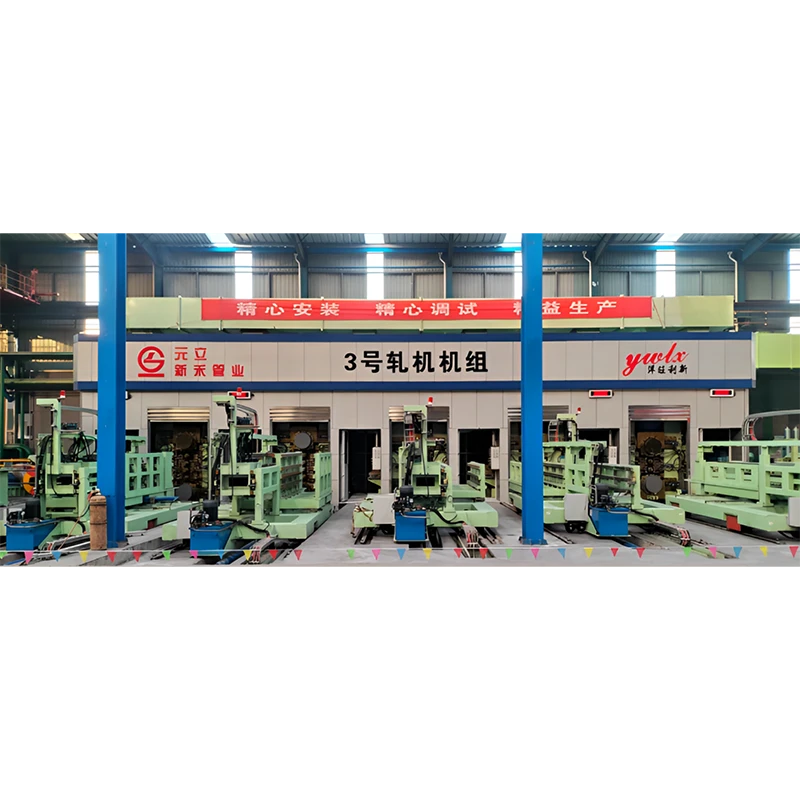
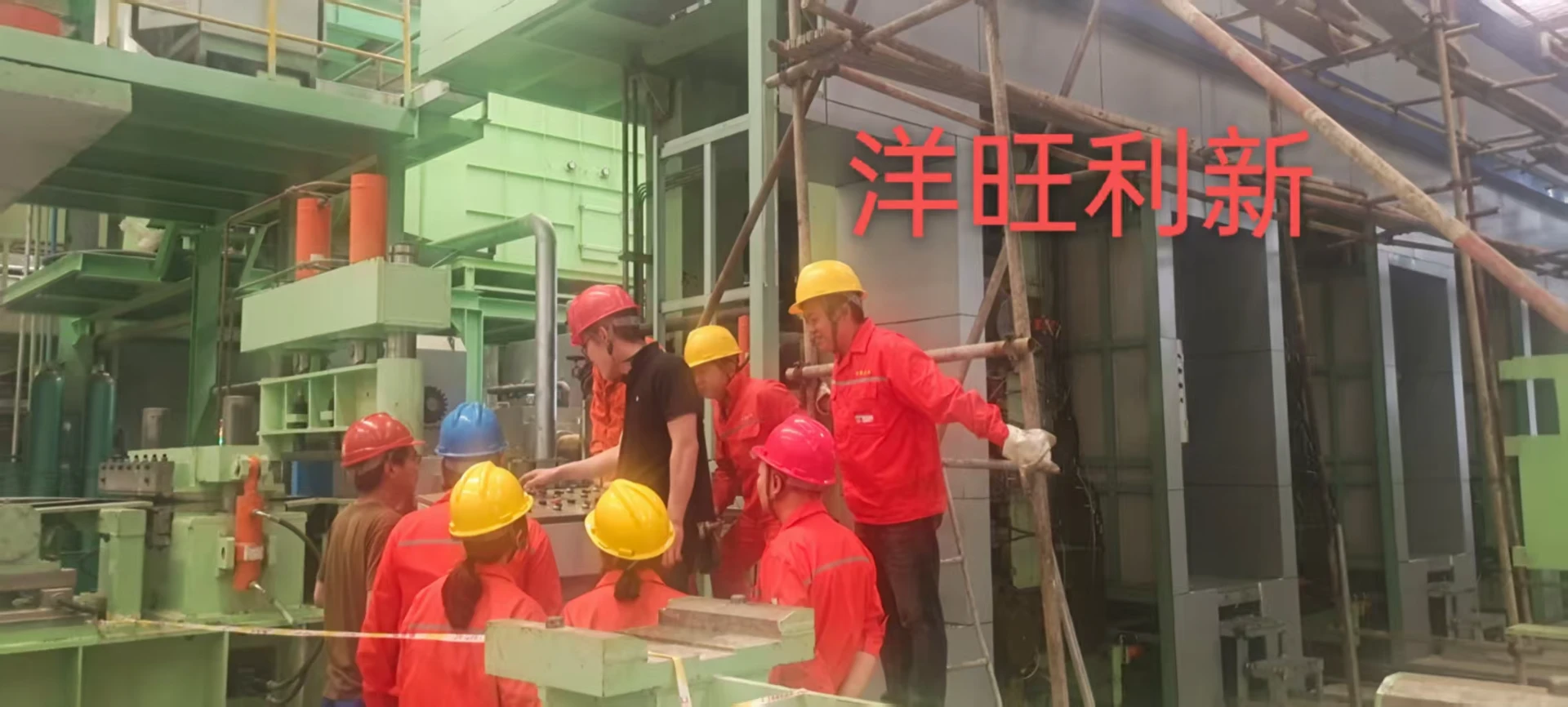
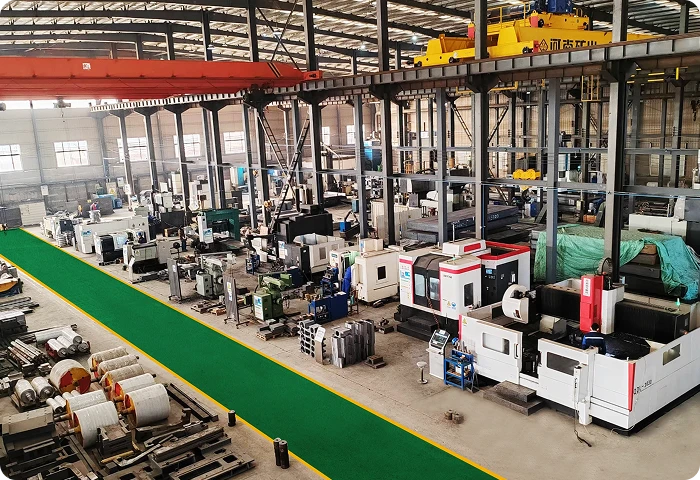
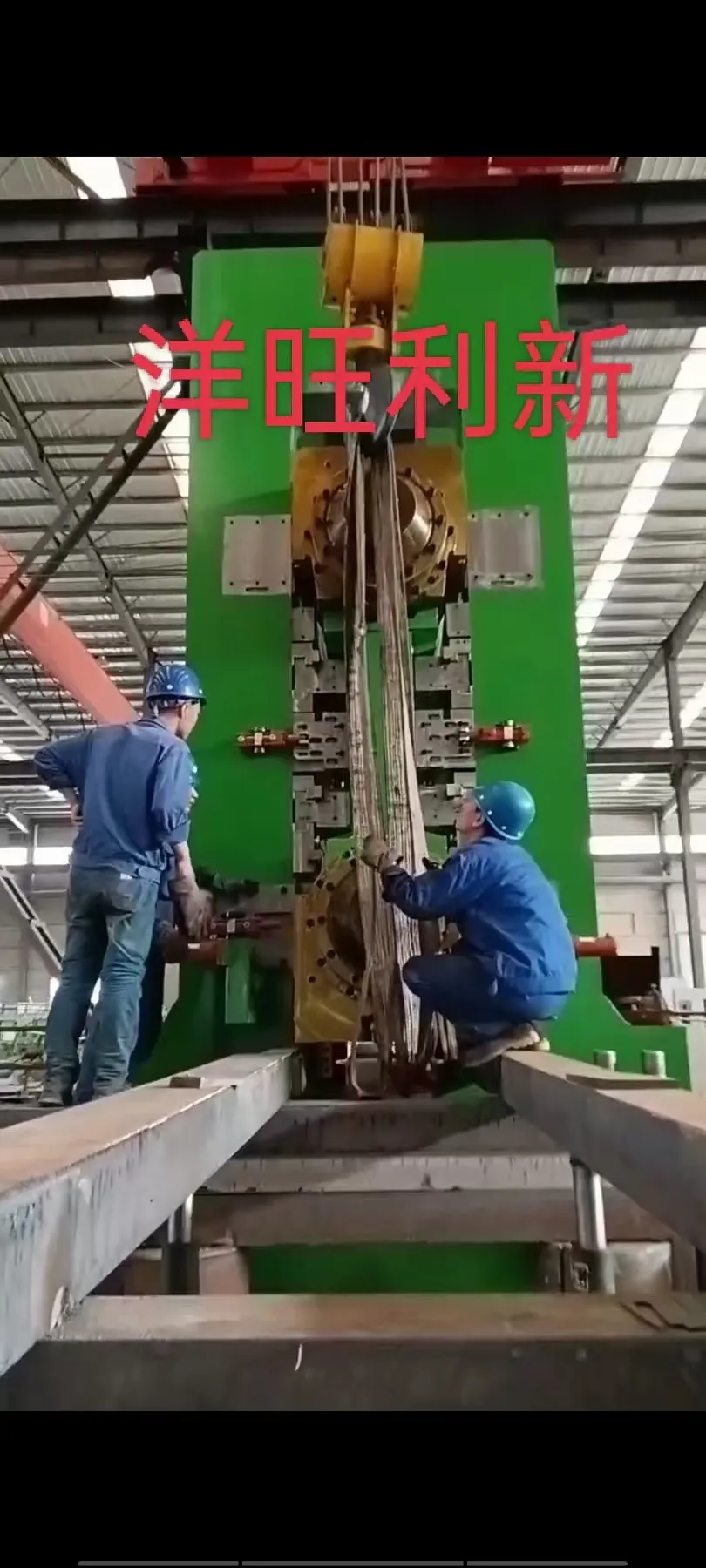
Yang Wang Li Xin operates a state-of-the-art facility over 66,000 square meters,and our manufacturing facility is fully equipped with high-tech machinery and high-capacity cranes. This enables us to handle large work pieces measuring 4.5m in width, 10m in length, and 1.5m in height, guaranteeing our capacity to produce 1800mm skin-pass mills and 1450mm rolling mills. The individual piece can weigh up to 100 tons.

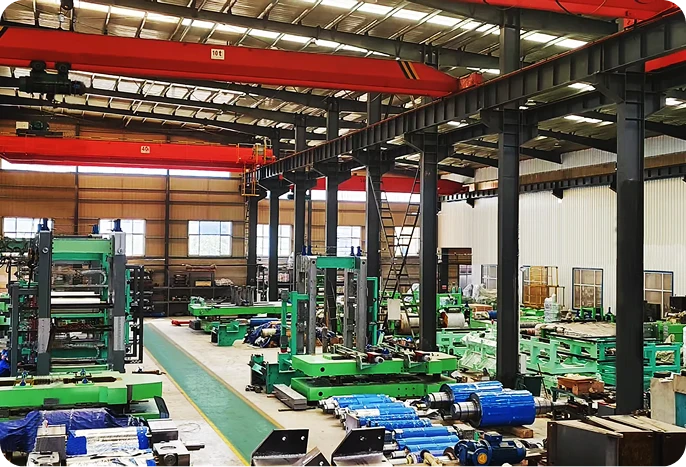

Quality is fundamental to the enterprise survival. We have established a comprehensive and meticulous quality management system and have successfully obtained ISO14000 certification. Starting from the design source, it supervises the entire production cycle, including design, procurement, processing, assembly, in-factory testing, installation, and online commissioning. The workshop is equipped with measuring tools like vernier calipers, spectrometers, hardness testers, and ultrasonic flaw detectors. They are used to check materials and control tolerances to ensure the final equipment meets or exceeds requirements. All products have a unique code, This enables the easy identification and traceability of the equipment components and ensures full control of quality.


-
 آسیاب غلتکی فلزیThe world of industrial machinery is vast and multifaceted, and among its diverse components, the metal roller mill (آسیاب غلتکی فلزی) stands as a pivotal tool in production processes. This apparatus, renowned for its precision and efficiency, has truly revolutionized how we handle various materials, primarily metals. Delving into its uses and benefits, one can appreciate how its innovative design
 -
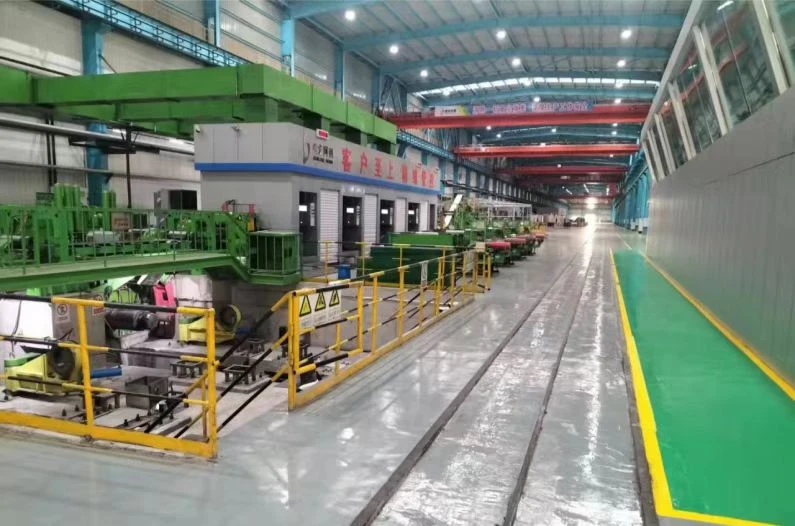 Advanced Water Quenching Process for Enhanced Material StrengthOptimizing Material Properties: An In-Depth Look at the water quenching process In metallurgical engineering, the water quenching process stands as a foundational heat treatment methodology crucial for achieving specific material properties, particularly hardness and strength. This critical thermal treatment involves rapidly cooling a heated metal workpiece by immersing it in water, or a water-bas
 -
 سازنده دستگاه نورد سردCold rolling technology has transformed the metal industry, enhancing precision, efficiency, and versatility. As an experienced operator and expert in this field, I endorse the superiority of cold rolling mills for creating finely detailed and high-quality metal products. The leading manufacturer of cold rolling machines takes pride in offering products that demonstrate exceptional prowess in term


